Blog · Selling
Should I Lower the Price on My Riverside Home?
Jeff Maas, California DRE #00981576 · Jeff Maas, NMLS #246684
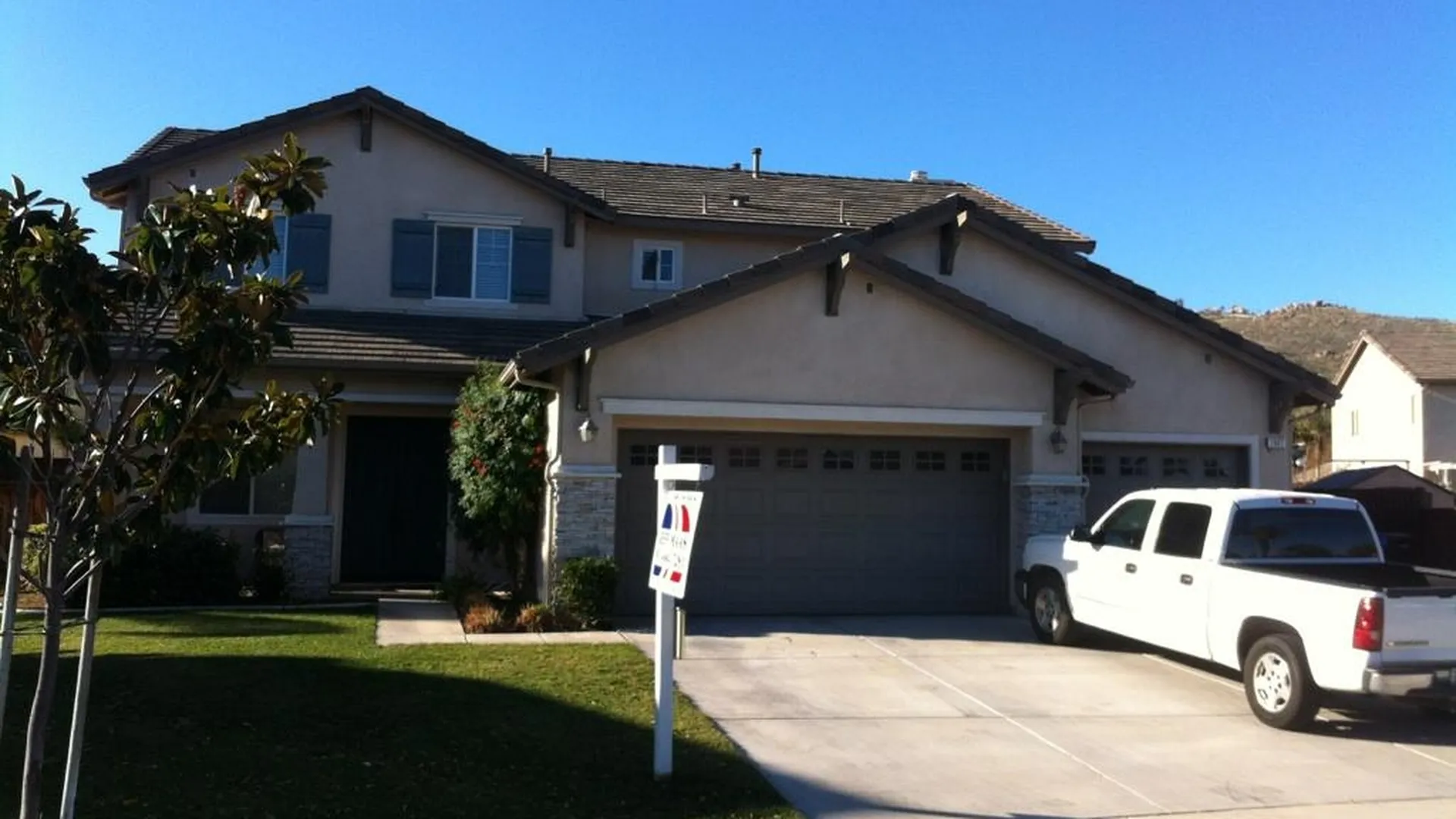
If your Riverside home has been on the market for 30 days or more with few showings, price is the first thing to test, and one meaningful adjustment usually works better than several small cuts. You're not alone in this spot: of 437 Riverside homes listed for sale, 190 have been on the market more than 60 days and 186 have cut their price, with a median cut of 4.3%. The question isn't whether price matters. It's whether price is the thing holding your home back, and what a reduction should look like if it is.
Source: CRMLS data for Riverside, CA, November 2025 through November 2026, analyzed by Jeff Maas. Counts are homes, not listings.
How to tell whether price is the problem
A quiet listing can have more than one cause. Before you lower the number, look at what buyers are doing with your home online and in person.
Online views with few showings. If plenty of people click on your listing but few book a tour, the photos and the price are doing the talking, and buyers are deciding the home isn't worth a drive at that number.
Showings with no offers. If buyers walk through and move on, listen to the feedback. When price comes up again and again, it usually is the price. When the comments are about condition, layout or a busy street, a price change may still be the answer, but it has to be large enough to account for what buyers are seeing.
Competing homes that sell first. Look at the homes that went under contract near you while yours sat. If they offered similar space and condition for less, buyers compared and chose.
Few views at all. If almost nobody is clicking, the problem may start before price: photos, the first line of the description, or the wrong search range. A home priced just above a common search cutoff can miss buyers who would have liked it.
Redfin's guidance on when to lower the price of your house points to the same signals: buyers looking without offering, feedback that keeps mentioning price, and lower-priced competition. It suggests taking these seriously if several show up within the first two to three weeks.
Why one meaningful adjustment usually beats several small cuts
Small, repeated reductions feel more cautious. In practice they tend to work against you.
Buyers who already passed on your home rarely come back for a cut they barely notice. Each new reduction also shows up in your listing history, and a string of small drops can signal that the seller is chasing the market rather than meeting it. Meanwhile your days on market keep climbing, and a long number invites lower offers.
One adjustment that moves your home into a new price range does something different. It puts the listing in front of buyers who were filtering it out, and it tells the buyers who already saw it that something has changed. Redfin makes the same point: a single, meaningful reduction is often more effective than a series of small cuts spread over several weeks.
That doesn't mean bigger is always better. The right adjustment is the one that lines your home up with what comparable homes are selling for now, not what they were listed for months ago.
Plan the price adjustment before you list
The hardest price decisions are the ones made under pressure, after weeks of silence. Jeff Maas agrees on a price-adjustment trigger with sellers up front, such as a set number of showings with no offer in 14 days, so a reduction is a planned decision rather than a reaction.
A trigger like that gives you a few advantages:
- You decide with a clear head. The number is set before emotions run high.
- You act on time. Instead of waiting another month to see what happens, you respond when the market has answered.
- You and your agent read the same signals. Showings, feedback and online views become the measure, not guesswork.
If you're already past the 30-day mark without that kind of plan, it's not too late to set one now. Agree on what the data will tell you, how long you'll give a new price, and what you'll do next if it still doesn't move.
Other levers to consider alongside price
Price isn't the only tool. Depending on what buyers are telling you, you might also consider:
- New photos or a refreshed description if online interest is low.
- Small repairs or cleanup if showing feedback points to condition.
- Seller credits toward a buyer's closing costs, which some buyers value more than an equal price cut.
- Wider showing access if your schedule is limiting tours.
These can work with a price change or, in some cases, in place of one. The point is to match the fix to the problem.
If your home still isn't getting traction, read Jeff's guide on what to do if your Riverside home isn't selling.
Common questions
How long should I wait before lowering my price?
Many sellers look at the first two to three weeks of showings and feedback. If buyers are viewing but not offering, and price keeps coming up, waiting longer usually adds days on market without improving the outcome.
How much should I lower the price?
There's no single number. In Riverside, the median cut among homes that reduced their price was 4.3%, but your number should come from what comparable homes near you are selling for now.
Will a price cut make buyers think something is wrong with my home?
A single, well-timed adjustment generally reads as a seller responding to the market. A series of small cuts is more likely to raise questions.
Is lowering the price the only option?
No. Better photos, repairs, closing-cost credits and wider showing access can all help, depending on what's holding your home back.
---
Want a second opinion on your price? There's no pressure and no obligation. Call or text Jeff Maas at 951-640-1570 for a fresh look at your listing.
Jeff Maas, MBA, Broker/Owner, National Realty Group. Equal Housing Opportunity.
Sources
- https://www.redfin.com/blog/when-to-lower-the-price-of-your-house/ (retrieved November 13, 2026)